Dr Nicolene Steyn
CuraPraxis is built and maintained by one of South Africa's foremost authorities on the law of artificial intelligence. One person writes it, assesses it and answers for it.
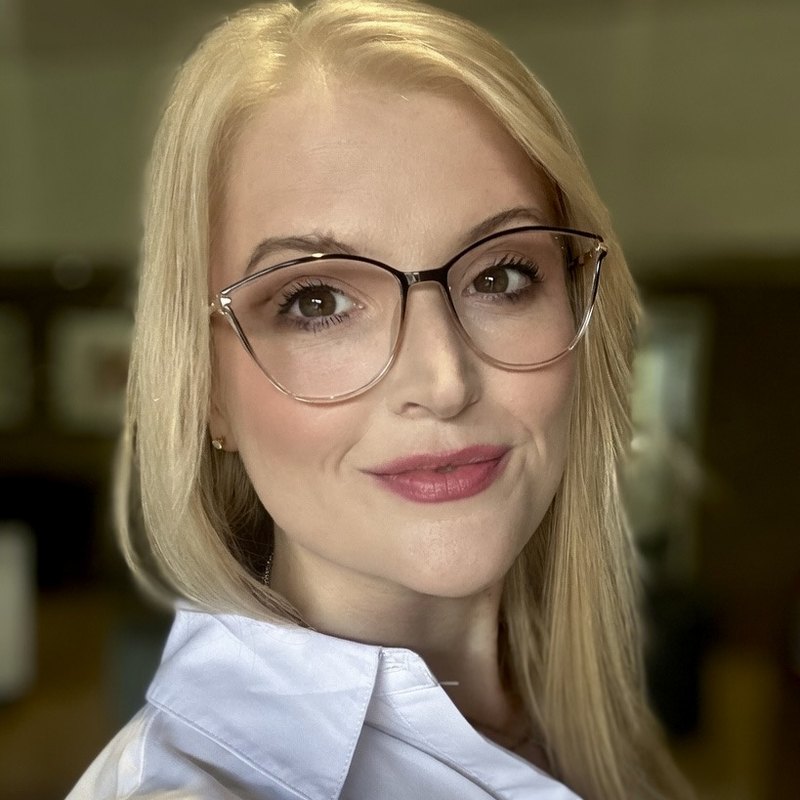
Dr Nicolene Steyn is the kind of expert the profession seldom gets in one person: a senior law lecturer in the School of Law at the University of the Witwatersrand, Chair of the Wits School of Law AI Committee, an invited member of the National Working Group on the South African AI Strategy (convened through the National Advisory Council on Innovation and the CSIR), and a Fellow of the Machine Intelligence and Neural Discovery (MIND) Institute, appointed after competitive application. When South Africa's withdrawn draft national AI policy needed expert dissection in May 2026, she delivered it by invitation, at the African Cyber Law Conference and the Mandela Institute's policy dialogue at Wits.
Technology has been the spine of her legal career from the beginning. Her LLB (cum laude) led to a master's on the regulation of drone warfare, completed cum laude with the Vice-Chancellor's Bronze Medal for the most outstanding master's degree student, and a doctorate on intelligent water-management technologies and constitutional rights that made her the youngest PhD graduate in the history of North-West University's Faculty of Law. At Wits she coordinates Information Technology Law and teaches the law of contract, and she brought generative AI formally into her final-year teaching while much of legal education was still debating whether to allow it, work recognised with the Faculty's Individual Teaching Excellence Award in 2024 and a nomination for the Vice-Chancellor's teaching award.
Her research, supervision and examination run the full breadth of the field this course teaches: the professional and ethical duties of AI-using lawyers, agentic AI and contract law, AI regulation and the withdrawn national policy, deepfakes, cybercrime and AI in banking, and the legal frontiers of brain-computer interfaces. She has published in journals including Transnational Environmental Law, ranked eighth of 434 law journals worldwide in the Thomson Reuters Journal Citation Report at the time, work that earned her Faculty's Research Excellence Award. And she is invited onto the platforms where South Africa's AI rules are actually being shaped, from an expert workshop of the European University Initiative's Internet Accountability project to an expert panel for the Gauteng Provincial Legislature.
CuraPraxis is her independent venture, built in her personal capacity; it is neither a product of nor endorsed by the University of the Witwatersrand. Every module is written, assessed and maintained by her alone: the technology explained by someone who researches and teaches it, the professional duties mapped by someone who examines them, and every claim held to the verification discipline the course itself drills. Questions about the content reach the person who wrote it.
Selected credentials
- PhD (Law and Development), North-West University: the youngest PhD graduate in the history of the NWU Faculty of Law. LLM cum laude (Vice-Chancellor's Bronze Medal, most outstanding master's degree student). LLB cum laude.
- Senior Lecturer, School of Law, University of the Witwatersrand; course coordinator, Information Technology Law.
- Chair, Wits School of Law AI Committee (2026 to present).
- Invited member, National Working Group on the South African AI Strategy, convened through the National Advisory Council on Innovation and the CSIR (2024 to present).
- Fellow, Machine Intelligence and Neural Discovery (MIND) Institute, University of the Witwatersrand (two-year appointment from March 2026, by competitive application).
- Faculty Individual Teaching Excellence Award (2024) and nomination for the Vice-Chancellor's Individual Teaching Excellence Award; Faculty Research Excellence Award in the A+ Journal Publication category.
- Invited expert: the Mandela Institute and African Cyber Law Conference policy dialogue on the draft national AI policy (2026); the European University Initiative's Internet Accountability project (2025); the Gauteng Provincial Legislature's petitions symposium (2026).
- Co-founder, Wits School of Law's Law & Technology Association; member, South African Association of Artificial Intelligence.
- Supervisor and examiner of doctoral, master's and LLB research on AI across contract law, banking, cybercrime, deepfakes, access to justice and regulation, at five South African universities.
Why this course exists
From 2023 South African courts dealt with a series of matters in which practitioners had placed fabricated authorities before them, generated by AI tools and never checked, and the consequences escalated from judicial leniency to personal costs orders and referral to the regulator. In 2026 the state's own draft national AI policy was withdrawn after its references failed the same verification test. The lesson of that period is plain: the profession needs deep, assessed competence with this technology, and no South African offering provided it. CuraPraxis was built to close that gap.